ADHD Medication vs Therapy: What’s the Difference?
ADHD treatment can involve several approaches, and two of the most commonly discussed are ADHD medication and therapy. While medication primarily targets ADHD symptoms, therapy can help people develop practical skills and strategies for managing the challenges associated with ADHD.
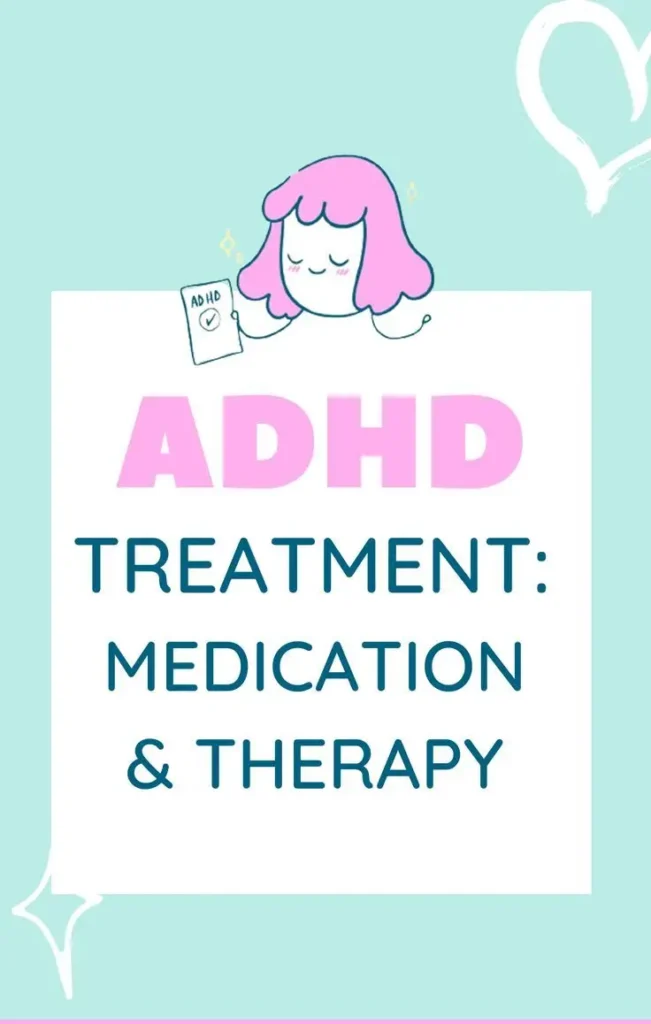
For many people, medication and therapy are not competing choices. They can be used separately or together depending on a person’s symptoms, health history, preferences, and treatment goals.
What Is ADHD Medication?
ADHD medications are prescription medicines designed to reduce symptoms such as difficulty maintaining attention, impulsivity, and hyperactivity.
They generally fall into two categories: stimulant medications and non-stimulant medications.
Stimulant Medications
Stimulants are commonly prescribed for ADHD and include medicines containing active ingredients such as methylphenidate or amphetamine-based compounds.
They can help improve attention and reduce impulsivity and hyperactivity for many people.
Non-Stimulant Medications
Non-stimulant medicines may be considered when stimulants are not suitable, cause unwanted effects, or do not provide sufficient symptom control.
Examples include medicines such as atomoxetine and, in some circumstances, guanfacine.
The choice of medication depends on factors such as age, health history, other medications, symptoms, and individual response.
What Is ADHD Therapy?
ADHD therapy refers to psychological and behavioral approaches that help people manage the practical and emotional challenges associated with ADHD.
One commonly used approach for adults is cognitive behavioral therapy (CBT).
Therapy may focus on:
- Time management
- Organization
- Procrastination
- Task completion
- Emotional regulation
- Managing negative thought patterns
- Coping with stress
- Improving daily routines
For children, behavioral interventions may also involve parents, caregivers, and teachers.
ADHD Medication vs Therapy: The Main Difference
The biggest difference is what each approach is designed to address.
| ADHD Medication | ADHD Therapy |
|---|---|
| Primarily targets ADHD symptoms | Develops coping and management skills |
| Can improve attention and reduce impulsivity | Can improve organization and daily functioning |
| Requires appropriate medical supervision | Usually involves regular sessions with a therapist |
| Effects may occur relatively quickly for some medications | Skills generally develop over time |
| May involve ongoing medication adjustments | Focuses on learning strategies that can be practiced independently |
| Prescription treatment | Psychological/behavioral treatment |
Neither approach is automatically better for everyone.
Which Is More Effective: ADHD Medication or Therapy?
The answer depends on the individual.
Medication can be an effective treatment for core ADHD symptoms for many people. Therapy can help people develop strategies for dealing with organization, procrastination, emotional regulation, and other challenges.
Some adults benefit most from medication. Others prefer non-medication approaches or cannot take certain medications. Some benefit from a combination of medication and therapy.
A healthcare professional can help determine which options are appropriate.
Can ADHD Medication and Therapy Be Used Together?
Yes. Medication and therapy can be combined when clinically appropriate.
For example, medication may help improve attention, while CBT can help an adult use that improved attention to develop better routines, manage procrastination, and organize tasks.
Combining treatments does not mean everyone needs both. Treatment should be individualized.
ADHD Medication: Advantages and Considerations
Potential advantages of medication include:
- Can directly reduce core ADHD symptoms
- May improve attention and concentration
- May reduce impulsivity and hyperactivity
- Some medications have relatively rapid effects
However, medication also has considerations.
Possible side effects vary by medicine but can include appetite changes, sleep difficulties, headaches, stomach discomfort, changes in heart rate or blood pressure, and mood changes.
Medication may also require dose adjustments or switching to another treatment if the initial option is not effective or well tolerated.
ADHD Therapy: Advantages and Considerations
Therapy can provide practical skills that can continue to be used outside therapy sessions.
Potential benefits include:
- Better organization
- Improved time management
- Reduced procrastination
- Improved task-management skills
- Better coping strategies
- Support for emotional difficulties
- Improved ability to manage everyday responsibilities
Therapy generally requires regular participation and practice. Results may take time and can vary depending on the individual and the type of therapy.
Is Therapy Enough to Treat ADHD?
For some people, therapy and behavioral strategies may be an important part of ADHD management.
However, whether therapy alone is appropriate depends on the person’s symptoms, severity, functional difficulties, and individual circumstances.
A healthcare professional can help determine whether medication, therapy, or a combination is appropriate.
Is ADHD Medication Better Than Therapy?
It is not useful to think of medication and therapy as simply better or worse.
Medication and therapy serve different purposes.
Medication may directly reduce certain ADHD symptoms, while therapy can help develop practical strategies for managing everyday challenges.
For some people, combining both approaches provides the most comprehensive support.
What About ADHD Coaching?
ADHD coaching is another option that focuses primarily on practical skills.
Coaching may help with:
- Planning
- Organization
- Time management
- Goal setting
- Creating routines
- Managing deadlines
- Breaking large tasks into smaller steps
Coaching is not a replacement for medical diagnosis or treatment, but it can complement professional ADHD care.
How Do You Choose Between Medication and Therapy?
Consider discussing the following with a healthcare professional:
- Which ADHD symptoms affect you most?
- How severely do symptoms interfere with daily life?
- Do you have other medical or mental health conditions?
- Are you currently taking other medications?
- What are your treatment preferences?
- Are you comfortable taking prescription medication?
- Would behavioral strategies or therapy address your main difficulties?
Your answers can help guide an individualized treatment plan.
Frequently Asked Questions
Is ADHD medication or therapy better?
Neither is universally better. Medication and therapy address different aspects of ADHD, and some people benefit from using both.
Can I treat ADHD without medication?
Some people manage ADHD with therapy, behavioral strategies, coaching, environmental changes, and lifestyle support. Whether medication is appropriate should be discussed with a qualified healthcare professional.
Does ADHD therapy work for adults?
Yes. Approaches such as CBT can help adults develop strategies for organization, time management, procrastination, emotional regulation, and other ADHD-related difficulties.
How quickly does ADHD medication work?
The timing varies depending on the medication. Some medications can begin affecting symptoms relatively quickly, while others may require adjustments over time.
Can I stop ADHD medication if therapy is working?
Do not stop or change prescription ADHD medication without discussing it with your healthcare professional. They can advise you about the safest approach based on your treatment and circumstances.
Conclusion
ADHD medication and therapy are different but complementary approaches.
Medication can help reduce core symptoms such as difficulty concentrating, impulsivity, and hyperactivity. Therapy can help people develop practical skills for organization, time management, emotional regulation, and everyday functioning.
For some people, one approach may be sufficient. Others may benefit from combining medication with therapy, coaching, or other support.